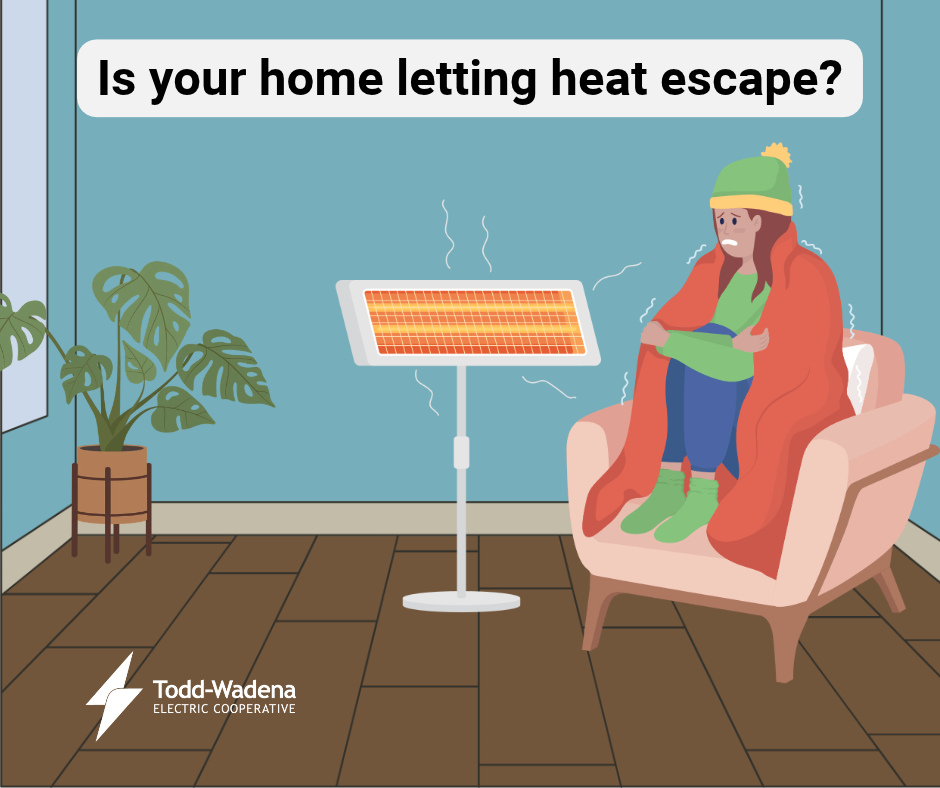
After months of keeping cool, switching into heating season can take some adjustment. As outdoor temperatures fall, you may start noticing chilly drafts, uneven room temperatures or utility bills that seem higher than expected. These can all be signs that warm air is escaping your home through small gaps and cracks.
1. You Feel Drafts Near Doors or Windows
On a windy day, hold your hand near exterior doors and window frames. If you feel a breeze, outdoor air is getting in and heated air is getting out.
2. Cold Air Seems to Come from Baseboards
Baseboards are often overlooked when it comes to air leaks. Small gaps between the baseboard and the wall or floor can allow heated air to escape into unconditioned spaces.
3. You Can See Daylight Around Doors or Windows
If light can get through, air can too. Visible gaps around doors and windows are a clear sign that weatherstripping or seals may need attention.
4. Some Rooms Never Feel Warm Enough
If one room stays comfortable while another always feels chilly, air leaks or inadequate insulation could be making it harder to maintain consistent temperatures.
5. Your Heating System Runs Constantly
When a furnace or heat pump seems to run longer than usual, it may be working overtime to replace heat that’s escaping through leaks.
6. Your Energy Bill Looks Higher Than Expected
Heating costs naturally increase during colder months, but a sharp jump compared to previous years may point to air leaks or insulation issues.
7. Dust Builds Up Around Vents, Outlets or Baseboards
Air leaks don’t just let warm air out. They can also pull dust and debris into your home, often leaving noticeable buildup near vents, outlets and baseboards.
8. Doors and Windows Are Difficult to Open or Close
As homes age, frames can shift or warp. This can create gaps that allow air leakage while also making doors and windows harder to operate.
9. Floors Feel Cold Even When the Heat Is On
Cold floors, especially above crawl spaces or basements, can be a sign of air leaks and insufficient insulation.
10. You Can Hear the Wind a Little Too Well
If outdoor sounds seem unusually noticeable around a door or window, there may be gaps allowing both noise and air to pass through.
What’s Causing These Problems?
In many cases, the culprit is air leakage. Air leaks develop around areas where building materials meet, including doors, windows, baseboards, electrical outlets and plumbing penetrations. Over time, homes settle, materials expand and contract with seasonal temperature changes, and caulk or weatherstripping can wear out.
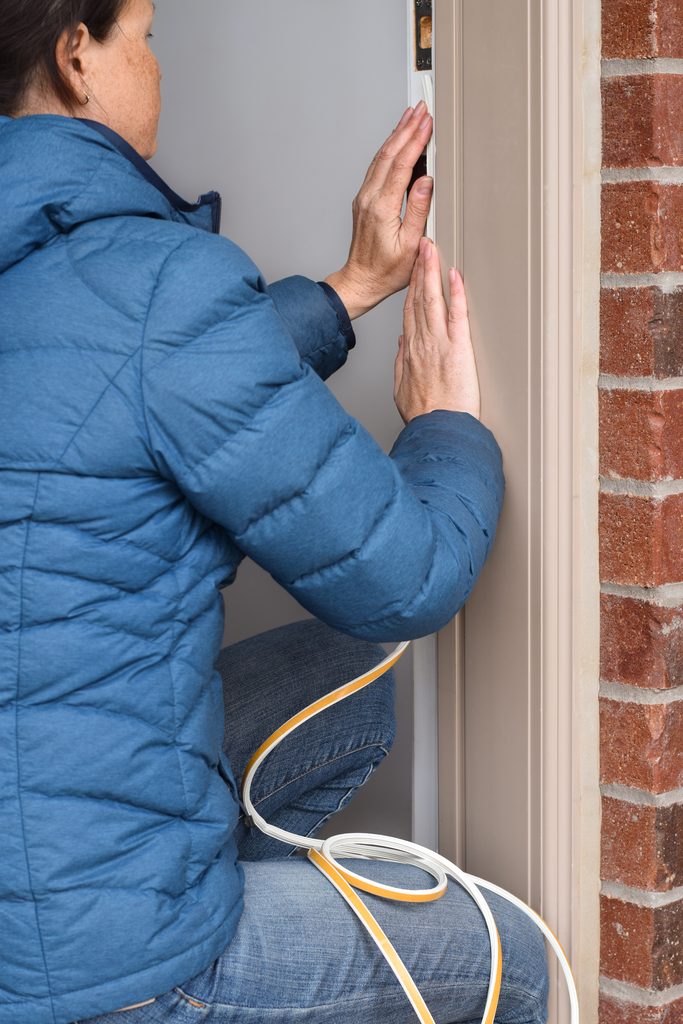
Because these changes happen gradually, they’re easy to miss until colder weather arrives and your heating system has to work harder to keep your home comfortable.
A Simple Fix That Can Make a Big Difference
Sealing gaps and cracks helps keep warm air where it belongs is one of the most cost-effective ways to improve comfort and reduce energy waste. It also allows your heating system to operate more efficiently and potentially lowering heating costs throughout the winter.
As temperatures drop, taking a few minutes to look for these common signs can help you stay comfortable and save energy all season long.